Amongst the regal pink-washed wonders of Jaipur, Hawa Mahal reigns as an icon for both travelers and photographers worldwide. With its mesmerizing honeycomb façade, lattice windows capturing the Rajasthani sun, and stories wrapped in its very walls, Hawa Mahal offers endless frames for those who see the world through a lens. This guide explores exactly why Hawa Mahal is every photographer’s dream destination, and how you can capture its spirit in every shot.
The Architectural Wonder: What Makes Hawa Mahal Unique?
Built in 1799 by Maharaja Sawai Pratap Singh, this five-story “Palace of Winds” is a rare fusion of Rajput and Mughal architecture. What sets Hawa Mahal apart is its façade of 953 jharokhas (small windows), designed not just for aesthetics but for airflow and discretion, allowing royal women to watch city life unseen. Each window, arch, and floral motif offers new patterns and plays with the sunlight throughout the day. Photographers are immediately drawn to the palace’s pink-red sandstone, the geometric repetition, and its crown-like silhouette against the Jaipur sky.
- Pro Photo Tip: Visit during early morning or golden hour to bring out the warm hues of the sandstone and dramatic shadows in your shots.
The Facade: Jaipur’s Most Photographed View
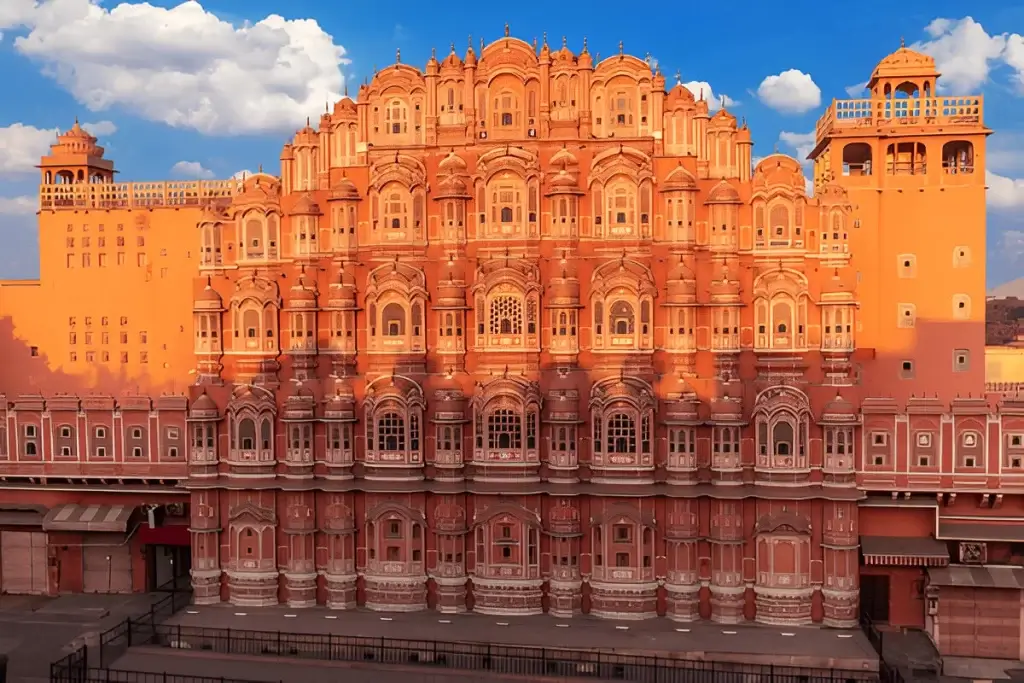
For many, the front façade is the definition of “Instagrammable.” The repeating patterns and bold symmetry make it a favorite for travel magazines and social feeds alike. With the chaos of Jaipur’s Old City unfolding at its base, you get a vibrant juxtaposition of ancient royalty and modern life in a single frame.
- Best Angles: Capture street-level perspectives for dramatic leading lines, or head to nearby rooftop cafés like Wind View Café for an elevated, unobstructed shot of the entire structure.
- Pro Tip: Use a mid-zoom lens to focus on architectural details, or incorporate passing people and rickshaws for everyday storytelling.
Inside the Palace: Where Light and Stories Collide
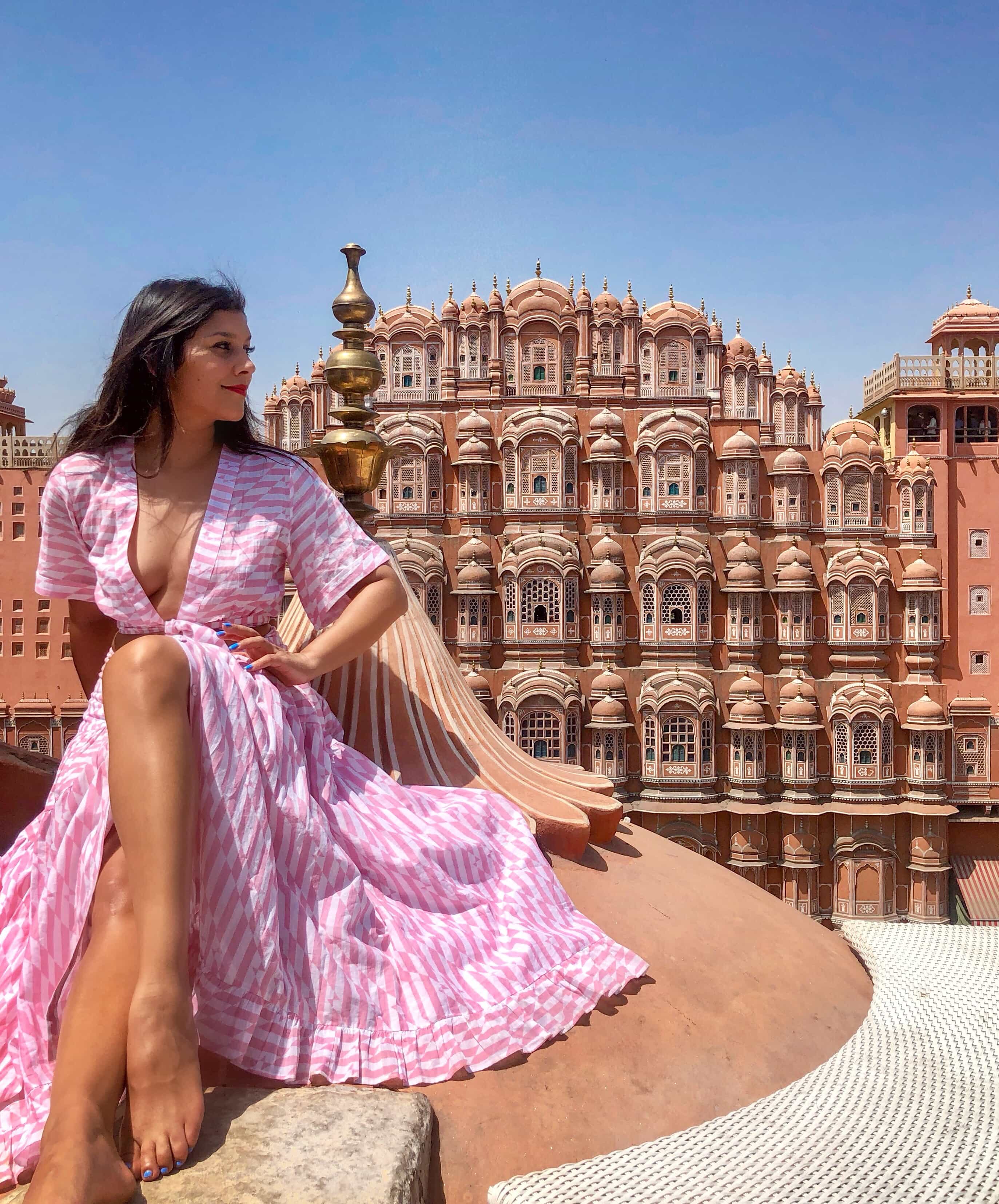
Step inside Hawa Mahal and discover a world of shadows, light, and mystery. The interior is a maze of corridors, winding stairways, and hidden alcoves perfect for those seeking something beyond the classic exterior shot. Sunlight pours through every perforated screen, casting dramatic shadows and creating new photo opportunities at each turn.
- Photo Tactic: Adjust your settings for high contrast and experiment with both wide and intimate compositions, highlighting the interaction of light, texture, and geometry.
- Storytelling: Focus on details—the wear of stone steps, an ancient doorway, or candid shots of fellow travelers marveling at the surroundings.
Best Times & Vantage Points for Photographers
Lighting is everything in travel photography, and Hawa Mahal does not disappoint:
- Early Morning (Sunrise): Soft golden light illuminates the façade, crowds are minimal, and colors are at their most vibrant.
- Late Afternoon/Golden Hour: Rich pink and orange hues, deepening shadows.
- After Dark: The palace is dramatically lit, perfect for long exposures and cityscape shots.
- Rooftop Cafés: Both Wind View Café and Tattoo Café offer unobstructed front views ideal for food-and-architecture compositions.
Essential Photography Tips for Hawa Mahal
To get professional-caliber photos, keep these strategies in mind:
- Use a wide-angle lens to fit the entire façade or capture indoor lattices from close range.
- Experiment with reflections: Puddles after monsoon rains create beautiful, symmetrical shots.
- Harness patterns and frames: The jharokhas are natural frames; use them for unique perspectives.
- Shoot in RAW: Manage difficult lighting conditions and bring out dynamic range in post.
- Respect the moment: Take in the experience with your eyes too, not just the lens.
Hawa Mahal Beyond the Postcard: Telling Unique Stories
Every great travel photo goes beyond beauty—it tells a story. Hawa Mahal is not just a monument; it’s alive with the rhythms of Jaipur:
- Capture contrasts—the serenity of ancient walls against the energy of city life.
- Engage with locals: Portraits of vendors or passersby, framed by the palace, communicate authenticity.
- Cultural narrative: The very purpose of the palace (shielding royal women, observing daily procession) is a story worth illustrating through careful composition.
Practical Traveler Tips for Your Hawa Mahal Shoot
- Arrive early to avoid crowds, especially on weekends.
- Protect your gear: Watch out for dust and carry a cleaning kit.
- Travel light: The palace’s stairs and corridors are narrow; a lightweight setup is beneficial.
- Secure your spot at rooftop cafés—table with the best view may require waiting or a small minimum spend.
- Entry Fees & Restrictions: Check for photography ticket rules for tripods or commercial gear.
Optimizing Your Blog & Photos for Search Engines
For travel bloggers aiming for reach, combine compelling storytelling with SEO best practices:
- Research and use high-traffic travel keywords like “Hawa Mahal photography,” “best photo spots Jaipur,” and “Palace of Winds images”.
- Optimize every image: Descriptive file names, keyword-rich alt text, and compressed files for fast loading.
- Internal linking: Guide readers to related Jaipur or Rajasthan travel stories on your blog.
- Meta Title and Description: Write concise, keyword-rich snippets that entice clicks.
- Engage readers: Use an inviting, conversational tone while including detailed descriptions and personal anecdotes for depth.
Itinerary: A Photographer’s Day at Hawa Mahal
| Time | Activity | Photo Major Opportunity |
|---|---|---|
| 6:30 AM | Arrive at Hawa Mahal | Quiet, soft-lit façade |
| 7:15 AM | Coffee at Wind View Rooftop Café | Full palace shot, rooftops, daily life |
| 8:30 AM | Explore inside the Mahal | Patterned light, lattices, details |
| 10:00 AM | Visit local markets and street vendors | Street photos, vibrant culture |
| 5:00 PM | Sunset shoot from street or café rooftop | Striking colors, low-angle lighting |
| 7:00 PM | Night photo session of illuminated façade | Long exposures, Jaipur by night |
Conclusion: Why Hawa Mahal Rises Above for Photographers
With its storied past, architectural splendor, and dynamic city backdrop, Hawa Mahal offers infinite photographic potential. Every turn, shadow, and vantage point uncovers something new—allowing you not only to take beautiful photos but also to tell compelling stories. It is where history, artistry, and the pulsing heart of Jaipur meet in every frame.
Be bold with your compositions, wait for the perfect light, and let Hawa Mahal elevate your photography to something truly unforgettable.