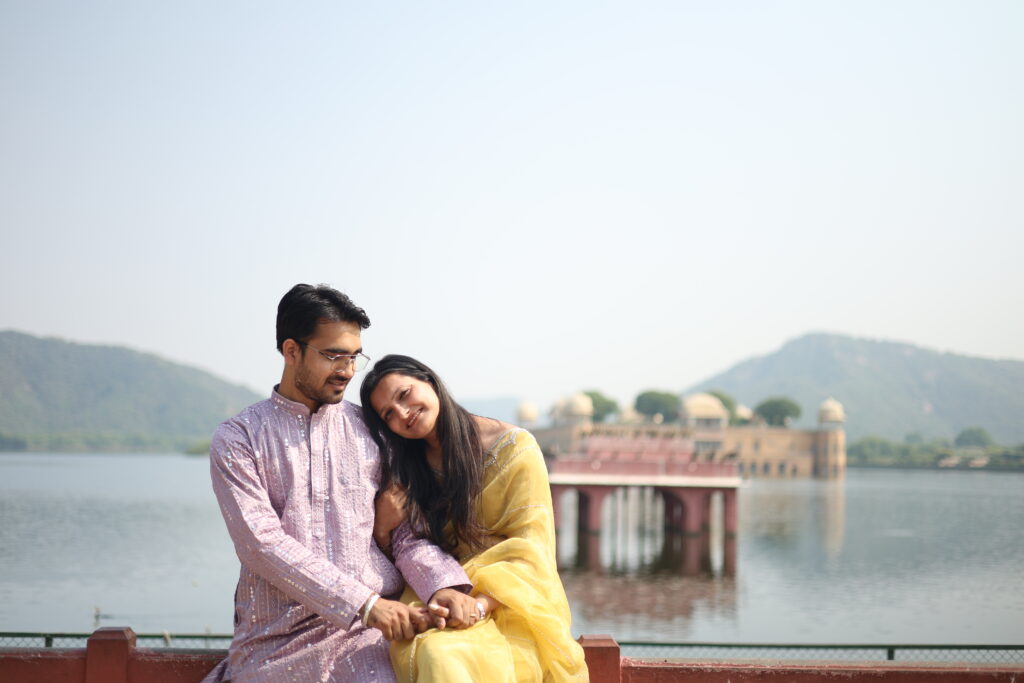
Weddings are full of emotions, rituals, laughter, and unforgettable moments. And the best way to preserve these memories forever is through stunning wedding photography.
But every couple faces one common question:
👉 Candid vs Traditional Wedding Photography — which is better for your wedding?
At Vishal Photos, we specialize in both styles, ensuring your wedding album is timeless, emotional, and complete.
Let’s explore the differences so you can choose the perfect style for your big day.
What is Candid Wedding Photography?
Candid wedding photography captures real moments naturally — without asking anyone to pose.
These are the unplanned emotions:
✨ the bride’s smile
✨ the groom’s happy tears
✨ family laughter
✨ dance-floor fun
Key Features of Candid Photography
- Natural and unposed photos
- Focus on emotions and storytelling
- Creative cinematic style
- Perfect for modern wedding couples
Best For:
✅ Couples who want real, heartfelt memories
✅ Instagram-worthy wedding shots
✅ Emotional and cinematic wedding albums
What is Traditional Wedding Photography?
Traditional wedding photography is the classic style where the photographer directs people to pose properly.
It focuses on:
📌 Wedding rituals
📌 Family portraits
📌 Group photographs
📌 Formal couple poses
Key Features of Traditional Photography
- Well-framed and posed pictures
- Complete ritual coverage
- Perfect for family albums
- Traditional wedding documentation
Best For:
✅ Couples with large family weddings
✅ Capturing every ritual clearly
✅ Classic wedding photography lovers
Candid vs Traditional Wedding Photography: Major Differences
| Feature | Candid Photography | Traditional Photography |
| Style | Natural & spontaneous | Posed & planned |
| Focus | Emotions & storytelling | Rituals & family portraits |
| Editing | Cinematic and creative | Simple and classic |
| Best For | Modern couples | Traditional families |
| Approach | Photographer observes quietly | Photographer guides poses |
Which Wedding Photography Style is Better?
The truth is — both styles are important.
Your wedding photography should reflect your personality and traditions.
Choose Candid Photography If:
✔ You love natural emotions
✔ You want modern cinematic wedding memories
✔ You prefer storytelling through pictures
Choose Traditional Photography If:
✔ Family portraits matter most
✔ You want complete ritual coverage
✔ You prefer classic posed photographs
Best Choice: Combine Both Styles
At Vishal Photos, we recommend a mix of both candid and traditional photography.
This gives you:
✨ Emotional candid moments
📸 Perfect family portraits
💍 Complete ritual coverage
🎥 A full wedding story album
Most Indian weddings are best captured with a combination of both styles.
Why Vishal Photos is the Right Choice for Your Wedding
With years of experience in wedding photography, Vishal Photos ensures:
- Professional candid photographers
- High-quality traditional wedding coverage
- Cinematic editing and premium albums
- Personalized wedding photography packages
We capture not just photos, but emotions that last forever.
Final Thoughts
When comparing Candid vs Traditional Wedding Photography, the best choice depends on your wedding style.
📌 Candid photography captures real emotions.
📌 Traditional photography ensures rituals and family portraits are never missed.
For the perfect wedding memories, combining both styles is the ideal option.
Book Your Wedding Photography with Vishal Photos
Looking for the best wedding photographer in Jaipur?
📍 Vishal Photos offers premium candid + traditional wedding photography packages to make your special day unforgettable.
📞 Contact us today to reserve your wedding dates!
FAQs: Candid vs Traditional Wedding Photography
Is candid wedding photography more expensive?
Yes, candid photography requires advanced skills and editing, so it usually costs more.
Do I need both candid and traditional photos?
Yes, most couples prefer both for complete wedding coverage.
Which style is best for Indian weddings?
A combination works best because Indian weddings include rituals and emotional moments.